
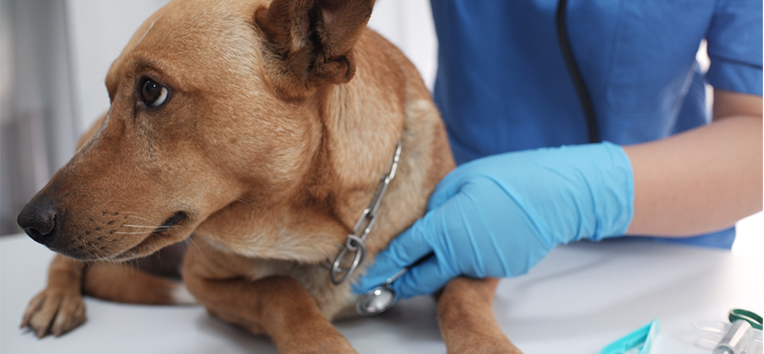
When a dog or cat suddenly becomes ill or injured, it can be difficult to know whether the situation requires emergency veterinary care.
Some symptoms may appear mild at first but can quickly become life-threatening without treatment.
If your pet is showing signs of a medical emergency, do not wait. Immediate veterinary care may be necessary.
Mason-Dixon Animal Emergency Hospital provides 24/7 emergency veterinary care in Shrewsbury, Pennsylvania, serving pets throughout southern York County and nearby Maryland communities.
Call (717) 432-6030 if your pet may need emergency care.
Signs Your Pet May Need Emergency Veterinary Care
Seek immediate veterinary attention if your pet shows any of the following symptoms:
- Difficulty breathing or labored breathing
- Collapse or inability to stand
- Seizures or uncontrolled shaking
- Uncontrolled bleeding
- Severe vomiting or repeated diarrhea
- Bloated or painful abdomen
- Sudden paralysis or inability to walk
- Loss of consciousness
- Trauma from an accident or fall
- Suspected poisoning or toxin ingestion
- Inability to urinate or straining to urinate
These symptoms can indicate serious medical conditions requiring urgent evaluation by an emergency veterinarian.
If you are located in Shrewsbury, York County, or nearby northern Baltimore County, contact our emergency veterinary team immediately.
Emergency Symptoms in Dogs
Dogs may experience a range of emergency medical conditions that require immediate treatment.
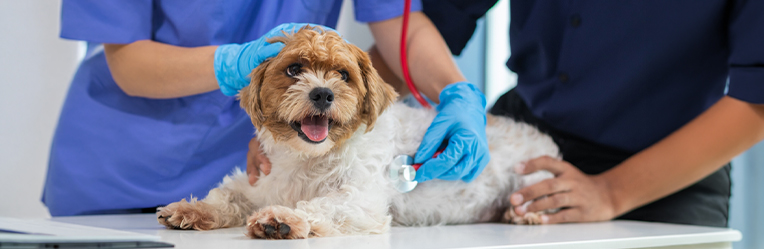
Repeated Vomiting or Severe Diarrhea
Occasional vomiting may not be serious, but repeated vomiting—especially when accompanied by lethargy, abdominal pain, or blood—can indicate a serious medical issue.
Emergency evaluation is recommended if symptoms continue or worsen.
Signs of Bloat (Gastric Dilatation-Volvulus)
Bloat is a life-threatening emergency that can occur in dogs, particularly large or deep-chested breeds.
Symptoms may include:
- Distended abdomen
- Unproductive retching
- Restlessness
- Rapid breathing
- Weakness or collapse
Dogs showing these symptoms require immediate emergency veterinary care.
Toxic Ingestion
Dogs may ingest harmful substances including chocolate, medications, chemicals, or toxic foods.
If you suspect your dog has consumed a toxic substance, contact an emergency veterinarian immediately.
Emergency Symptoms in Cats
Cats often hide signs of illness, which can make emergencies harder to recognize.

Seek emergency care if your cat shows symptoms such as:
Difficulty Breathing
Rapid or labored breathing can indicate severe respiratory or cardiac disease and requires urgent veterinary evaluation.
Urinary Blockage
Male cats are particularly at risk for urinary obstruction.
Warning signs include:
- Straining to urinate
- Frequent litter box visits with little or no urine
- Crying or signs of pain
- Vomiting or lethargy
A urinary blockage is a life-threatening emergency that requires immediate treatment.
Sudden Weakness or Collapse
Collapse, disorientation, or sudden inability to walk may indicate trauma, neurological disease, or toxin exposure.
These symptoms should be evaluated by an emergency veterinarian as soon as possible.
When It’s an Emergency vs When It Can Wait
Not every health concern requires an emergency visit. However, certain symptoms require immediate veterinary care.
Situations That Require Emergency Veterinary Care
Go to an emergency veterinarian right away if your pet has:
- Difficulty breathing or choking
- Collapse or inability to stand
- Seizures or repeated seizures
- Severe trauma (hit by car, fall, bite wounds)
- Uncontrolled bleeding
- Bloated or painful abdomen
- Suspected poisoning or toxin ingestion
- Inability to urinate or painful attempts to urinate
- Persistent vomiting or diarrhea with lethargy
- Loss of consciousness
These symptoms may indicate life-threatening medical conditions requiring urgent treatment.
Situations That May Be Monitored or Addressed by Your Regular Vet
Some symptoms may not require immediate emergency care but should still be evaluated by your primary veterinarian.
Examples include:
- Mild vomiting that resolves quickly
- Minor limping without severe pain
- Small superficial wounds
- Mild itching or skin irritation
If symptoms worsen or new symptoms appear, emergency evaluation may become necessary.
If you are unsure whether your pet requires emergency care, contact our team at (717) 432-6030.
Common Pet Emergencies We Treat
Our emergency veterinary team in Shrewsbury, PA treats a wide range of urgent medical conditions in dogs and cats.
Common emergencies include:
- Traumatic injuries from accidents or falls
- Toxic ingestion and poisoning
- Severe vomiting and diarrhea
- Gastric dilatation-volvulus (bloat) in dogs
- Urinary obstruction in cats
- Seizures and neurological emergencies
- Respiratory distress
- Heatstroke and temperature-related emergencies
- Severe allergic reactions
- Acute pain or sudden collapse
If your pet is experiencing any of these conditions, immediate veterinary evaluation may be necessary.
Mason-Dixon Animal Emergency Hospital provides 24/7 emergency care for pets throughout York County, PA and nearby Maryland communities.
What To Do If Your Pet Is Having an Emergency
If you believe your pet may be experiencing a medical emergency:
- Stay calm and keep your pet as comfortable as possible.
- Call the emergency veterinary hospital at (717) 432-6030.
- Follow any instructions given by the veterinary team.
- Transport your pet safely to the hospital for evaluation.
Calling ahead allows the emergency team to prepare for your arrival.
24/7 Emergency Vet in Shrewsbury, PA
Mason-Dixon Animal Emergency Hospital provides around-the-clock emergency veterinary care for dogs and cats.
Location
96 Sofia Drive, Suite 203
Shrewsbury, PA 17361
Phone
(717) 432-6030
Open 24 hours a day, 7 days a week, 365 days a year.
If your pet is experiencing emergency symptoms, seek veterinary care immediately.
FAQ: Pet Emergency Symptoms
Take your pet to an emergency veterinarian if they have difficulty breathing, seizures, collapse, uncontrolled bleeding, suspected poisoning, severe vomiting or diarrhea, trauma, or inability to urinate.
If you are unsure whether your pet’s symptoms require emergency care, call (717) 432-6030 for guidance.
Calling ahead is recommended so the veterinary team can prepare for your arrival and provide immediate instructions.
Occasional vomiting may not be serious, but repeated vomiting, vomiting with blood, abdominal pain, bloating, or lethargy should be evaluated by an emergency veterinarian.
Signs of a urinary blockage include straining to urinate, frequent litter box visits with little or no urine, crying in the litter box, vomiting, or lethargy.
This condition requires immediate emergency veterinary care.
If your pet is experiencing emergency symptoms, do not delay treatment.
Mason-Dixon Animal Emergency Hospital provides 24/7 emergency veterinary care in Shrewsbury, PA for pets across York County and northern Baltimore County.
Call (717) 432-6030 or come directly to our emergency hospital for immediate care.